
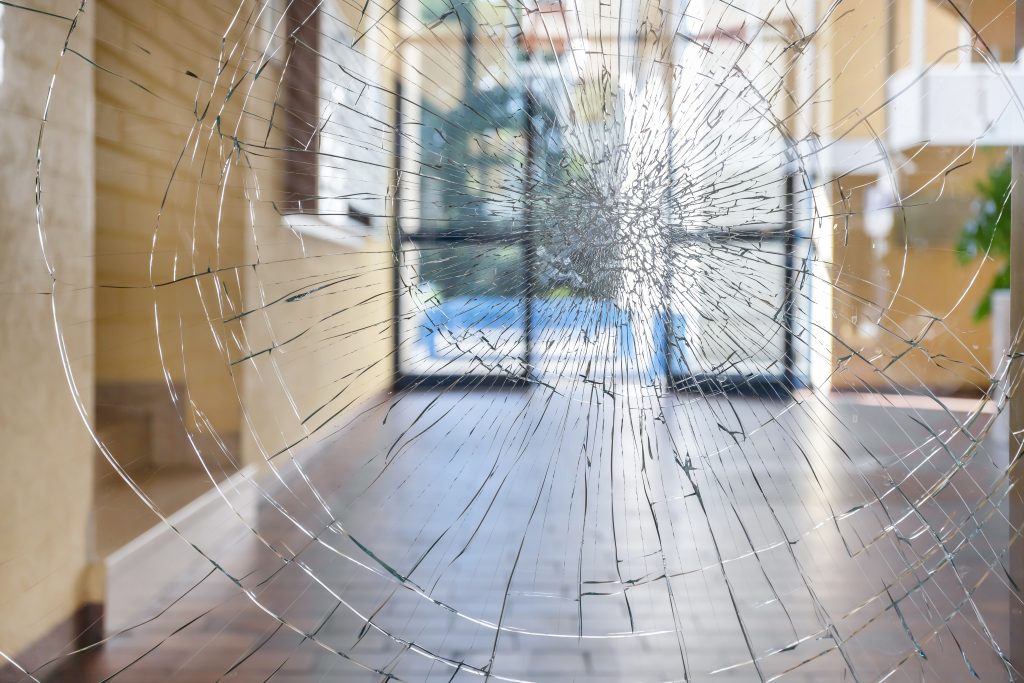
Storefront glass rarely fails at a convenient moment. Most business owners notice damage early in the morning, during peak hours, or right before closing. As a result, the disruption feels even more stressful because it affects customers, safety, and daily operations all at once.
Glass Pro Install often handles these urgent situations where timing makes everything worse. Therefore, understanding why storefront glass tends to break at the worst time helps you prevent sudden failures and respond faster when they happen.
Sudden Temperature Changes Cause Stress
Temperature swings are one of the most common reasons storefront glass breaks unexpectedly. During cold nights and warm days, the glass expands and contracts at different rates. Consequently, stress builds inside the panel without visible warning signs.
For example, sunlight hitting one section of the glass while another part remains cold creates uneven pressure. That is to say, the glass becomes unstable even if it looks perfectly fine. Over time, this hidden stress can lead to cracking at the most inconvenient moment.
In addition, businesses with large front windows face higher risk because the surface area increases exposure to temperature changes. This is why regular inspection and early repair matter before small stress points turn into major failures.
Small Damage That Goes Unnoticed
Minor chips and scratches may seem harmless at first. However, they often weaken the entire structure of the glass. In other words, what starts as a small flaw can grow into a full break under pressure.
A slight impact from carts, doors, or even cleaning tools can leave tiny marks. Meanwhile, daily vibrations from traffic or door movement slowly expand those weak spots. As a result, the glass may suddenly crack without any recent visible cause.
Businesses that delay maintenance often face emergency situations later. This is where commercial glass repair becomes essential. Addressing minor damage early prevents sudden breakage during busy hours.
Structural Pressure From Building Movement
Buildings naturally shift over time due to settling, weather, and usage. However, this movement can place pressure on storefront glass panels. Consequently, even properly installed glass may develop stress points if the frame becomes misaligned.
Doors slamming, heavy foot traffic, or nearby construction can increase these pressures. For instance, repeated vibration can slowly weaken the glass edges. Above all, the edges are the most vulnerable parts where cracks often begin.
When alignment issues appear, the glass does not break immediately. Instead, the pressure builds gradually until failure occurs at the worst possible time. Regular checks help identify these issues before they become urgent problems.
Impact Happens When You Least Expect It
Unexpected impact is another major reason storefront glass fails at inconvenient times. Accidents rarely happen during quiet hours. Instead, they occur when activity is high, such as during deliveries or busy shopping periods.
For example, a customer may accidentally push a door too hard, or equipment may hit the glass during setup. Similarly, weather-related debris can strike the surface during storms. As a result, damage often happens when your business is most active.
Even strong glass is not immune to sudden force. Therefore, having a quick response plan is important. You can always contact a professional team immediately to secure the area and prevent further risk.
Installation Quality Plays a Big Role
Proper installation determines how well storefront glass handles stress over time. Poor alignment, incorrect sealing, or low-quality materials can weaken the structure. Consequently, the glass becomes more likely to fail under normal conditions.
When installation is done correctly, the glass distributes pressure evenly. However, if even one part is slightly off, stress concentrates in specific areas. In addition, improper sealing allows moisture and temperature changes to affect the glass more directly.
Glass Pro Install focuses on precise fitting and durable materials to reduce these risks. Likewise, services like glass railing Calgary and frameless shower doors follow similar principles where accuracy ensures long-term performance.
Daily Wear From Business Operations
Storefront glass is constantly exposed to daily activity. Doors open and close repeatedly, people pass by, and cleaning happens regularly. Therefore, even normal use contributes to gradual wear over time.
Cleaning chemicals, for instance, can affect the surface if not used properly. Meanwhile, repeated handling creates small stresses around hinges and edges. In the same vein, environmental factors like dust and moisture add to the strain.
Over time, these small effects combine and weaken the glass. Most importantly, the damage is not always visible until it reaches a breaking point. Preventive care helps extend the life of your storefront and avoid sudden disruptions.
Why Timing Always Feels So Bad
Storefront glass failures feel poorly timed because they usually happen when stress reaches its peak. During busy hours, the combination of movement, temperature, and pressure increases significantly. As a result, the glass finally gives way when your business needs stability the most.
For instance, early mornings often reveal overnight stress cracks. Meanwhile, afternoons bring higher activity and temperature changes that trigger failure. In short, the timing is not random but linked to accumulated pressure.
Even design elements like painted glass backsplash show how glass must be properly supported to avoid long-term issues. The same idea applies to storefront systems where structure and balance matter.
How to Reduce Emergency Breakage
Preventing sudden glass failure starts with awareness and routine care. Firstly, inspect your storefront regularly for small chips or alignment issues. Secondly, address any minor damage before it spreads.
In addition, ensure proper installation and maintenance from experienced professionals. That is to say, investing in quality work reduces long-term risks. Most importantly, respond quickly when you notice any unusual signs like stress lines or shifting frames.
Having a reliable repair plan also helps you stay prepared. When issues arise, fast action minimizes downtime and keeps your business safe for customers and staff.
FAQs
Why does storefront glass crack overnight?
Temperature changes during the night can create uneven pressure in the glass. As a result, stress builds up and may cause cracks by morning, even if no visible damage existed before.
Can small chips really lead to full breakage?
Yes, even tiny chips weaken the structure. Over time, pressure expands these weak points, which can eventually lead to sudden and complete glass failure.
Is storefront glass supposed to be impact-resistant?
Most storefront glass is designed to handle normal use. However, strong or unexpected impact can still cause damage, especially if the glass already has hidden weaknesses.
How often should storefront glass be inspected?
Regular inspections every few months are recommended. In addition, checks should be done after extreme weather or noticeable building movement to catch early issues.
What should I do immediately after glass breaks?
Secure the area first to prevent injury. Then, contact a professional service as soon as possible to assess damage and restore safety quickly.