
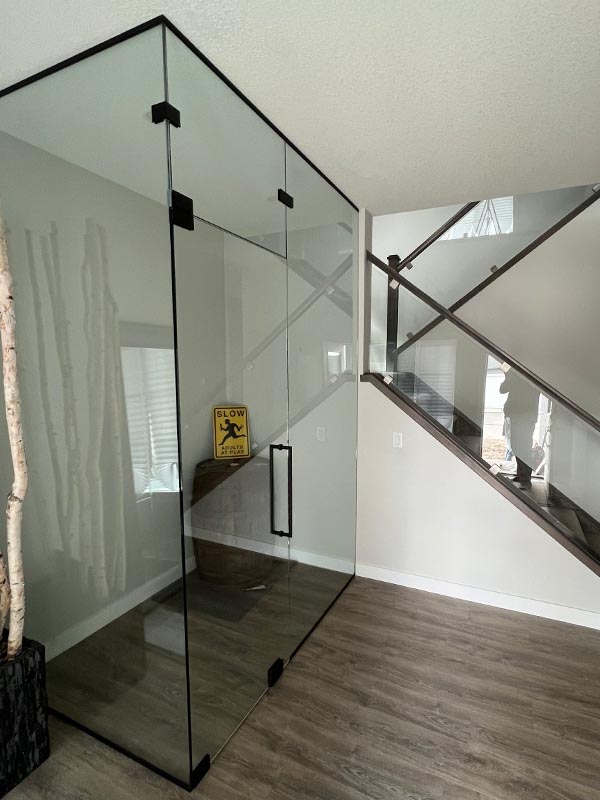
Glass railings add light, openness, and elegance to homes and outdoor spaces. They look simple but need thoughtful care to stay clear and strong. When exposed to Alberta’s weather and hard water, glass panels can lose their clarity, showing stains, mineral spots, and corrosion that are hard to remove once they set in. With the right care, though, they can stay clear and beautiful for years.
Understanding What Damages Glass Railings
Most outdoor glass railings face two main threats: mineral buildup from hard water and damage from constant weather changes. Calgary’s water contains minerals like calcium and magnesium that cling to glass surfaces when water dries. Over time, these minerals bond to the glass, leaving white spots that normal cleaning cannot remove.
At the same time, glass expands and contracts slightly with temperature changes. The constant cycle of sun, rain, and cold weakens seals and hardware. When dirt and minerals settle in those gaps, the surface starts to look aged and dull. Understanding this helps us choose care methods that prevent problems before they begin.
Cleaning Habits That Protect Clarity
The best protection for glass is regular maintenance. Small habits prevent buildup and extend the life of the panels. The simplest rule is to clean often but gently. We use a soft microfiber cloth and warm water with a few drops of mild dish soap. The goal is to remove dirt and mineral traces before they dry.
After washing, drying matters most. Water left to evaporate on the glass leaves behind the minerals that cause spotting. We always dry panels with a clean towel or squeegee immediately after washing. If you clean weekly or even biweekly, this simple routine keeps glass looking almost new.
Why Water Repellents Make a Difference
One of the most overlooked steps is applying a water repellent or sealant. These products create an invisible barrier that makes water slide off instead of drying on the surface. The less water that sticks, the fewer minerals bond to the glass. Some sealants last months, while others hold up for a year or more depending on exposure.
When applying a sealant, we clean the panels thoroughly first. Any trapped dirt or minerals get sealed in if not removed. Once dry, we apply the product evenly with a lint-free cloth, then buff lightly. The next rain will bead and roll away, leaving the surface cleaner and easier to maintain.
For a full understanding of how we approach precision glass care and design, you can visit our page about Calgary custom shower. The same attention to sealing, clarity, and longevity applies to every glass installation, indoors or out.
Preventing Damage from Outdoor Exposure
Outdoor exposure introduces dust, bird droppings, pollen, and air pollutants that attach to the glass surface. These can combine with moisture to create a thin film that dulls transparency. To prevent this, we avoid using abrasive cleaners or pads, since even tiny scratches trap dirt and accelerate wear.
During construction or renovation, glass railings should be covered to prevent cement dust or paint mist from settling on them. These materials can permanently etch the surface when exposed to moisture. After every season change, a full inspection helps catch any early corrosion on hardware or chips in the edges. Small cracks expand under freezing conditions and can spread into larger damage if not repaired early.
The Role of Proper Drainage and Placement
Design plays a quiet but crucial role in protecting outdoor glass. When water drains properly, it cannot collect and cause stains or damage. We ensure railing systems have small gaps or slopes that direct water away from joints. If the panels sit directly on stone or metal without spacing, water can pool and create hidden corrosion points.
Tree placement also matters. Leaves, sap, or branches brushing the glass can leave stubborn stains or cause micro-abrasions. We recommend trimming nearby plants to keep space between the railings and vegetation. Simple design awareness reduces cleaning needs and keeps the glass surface exposed to air and light, which naturally help keep it dry.
Handling Hard Water Stains Before They Set
If stains already appear, timing is important. Fresh spots can often be removed with a solution of white vinegar and water. We let it sit for a minute or two before wiping clean with a soft cloth. Older stains may need a commercial glass cleaner formulated for mineral removal, but we always test it on a small area first.
For stubborn marks, a fine polishing compound designed for glass can restore clarity without scratching. However, these products require patience and even pressure. Rubbing too hard on one area can create uneven reflection or micro scratches. If the buildup covers large sections or has bonded deeply, professional polishing may be the safer route.
Avoiding Harsh Products and Mistakes
Many homeowners unknowingly shorten the life of their glass by using the wrong tools. Anything with ammonia, bleach, or acid can react with the surface and cloud the finish. We also avoid paper towels, which can shed lint or even scratch delicate coatings. Steel wool, abrasive sponges, and hard brushes all leave marks invisible at first but noticeable once sunlight hits.
When using cleaners, spraying directly onto the glass can also cause runoff into the hardware or frames, where it can corrode metal. We spray on the cloth instead, then wipe gently in circles. This simple habit avoids chemical damage while cleaning effectively.
Seasonal Care and Long-Term Protection
Each season brings its own challenges. Spring requires more frequent cleaning due to dust and pollen. Summer sunlight can bake in mineral stains if glass is left wet. Fall adds leaf residue and bird droppings. Winter demands attention to snowmelt and de-icing salts that splash onto railings.
We use a soft brush to remove loose debris before cleaning. During winter, we avoid washing when temperatures are below freezing to prevent ice from forming on the glass. If snow or ice does accumulate, removing it gently before it melts prevents mineral residue once it dries.
Every few years, professional maintenance ensures longevity. Reapplying protective coatings, tightening hardware, and checking for seal wear keep the structure sound. When combined with regular care, this prevents most major repairs or replacements.
How to Keep Glass Railings Safe Around Water
For railings near pools or sprinklers, extra care is essential. Chlorine, salt, and constant moisture all accelerate staining and corrosion. We aim sprinklers away from glass whenever possible and rinse with fresh water regularly to wash off pool chemicals.
In humid areas or close to water sources, applying sealant twice a year provides stronger defense. A light polish with a non-abrasive cleaner every few weeks helps prevent long-term damage. We also check for algae or mold at the base of posts, which thrive in damp areas and can spread to the glass edges.
Combining Function and Aesthetic Maintenance
While protection focuses on durability, it also affects appearance. Clean, clear glass enhances light flow and reflections, making outdoor spaces feel larger. When glass loses clarity, the overall design feels less open. Consistent maintenance preserves both structure and beauty.
A small investment in time prevents the expense and frustration of restoration later. We find that most railings stay in good condition with simple attention every two to three weeks during active seasons. The clearer the glass stays, the easier it becomes to maintain.
Knowing When to Seek Professional Help
Sometimes glass needs more than surface care. If the clarity fades even after cleaning, or if hard water damage has etched the surface, a technician can polish and reseal it professionally. They can also identify hidden issues like seal failures or rusted fasteners that may cause further damage.
We encourage anyone facing deep staining or recurring buildup to reach out early, since restoration is always easier than replacement. For personalized guidance or scheduling, you can contact us for advice or maintenance options tailored to your railing’s condition.
Extra Tip: Conditioning the Metal and Frame
One area often overlooked is the frame and posts that hold the glass. Metal components also suffer from oxidation and hard water contact. We clean them with mild detergent and finish with a protective coating designed for stainless steel or aluminum. Keeping metal surfaces polished prevents runoff stains on the glass and keeps the system visually unified.
When both the glass and its frame are maintained together, the railing system stays balanced in appearance and function. Ignoring one affects the other over time, so treating them as one structure brings longer results.
Small Design Adjustments That Reduce Maintenance
Design plays a subtle role in minimizing cleaning effort. Horizontal surfaces collect more dust and water than vertical ones. Choosing railings with smooth edges or glass that extends slightly above the frame helps water roll off naturally.
Frosted or tinted glass hides minor stains better than clear glass but still requires sealing and cleaning to prevent etching. When installing new panels, we position them where they receive airflow and direct sunlight. This natural drying effect keeps surfaces cleaner for longer and prevents water from lingering after rain.
Managing Mineral Content at the Source
While surface cleaning works, another approach is treating water before it reaches the glass. If you have sprinklers or outdoor washing systems, connecting a water softener or using filtered water can make a visible difference. The less mineral content in the water, the fewer stains form on any surface.
Even wiping glass with soft or filtered water during regular cleaning can reduce spotting. For homes in areas with extremely hard water, this single adjustment prevents many maintenance headaches.
FAQs
Why does my glass railing look cloudy after rain?
The cloudiness usually comes from mineral deposits in hard water that dry onto the surface. Cleaning and drying the glass promptly after rain prevents this.
How often should I apply a glass sealant?
Most sealants last about six months outdoors. Reapply every spring and fall or whenever you notice water no longer beading on the surface.
Can vinegar damage the glass?
Vinegar is safe for light cleaning but should be diluted with water. Avoid using it on coated or tinted glass without testing a small area first.
What is the best way to clean glass railings during winter?
Clean on mild days when temperatures stay above freezing. Remove salt and snow gently, then dry fully to prevent residue or frost damage.
Are hard water stains permanent?
Fresh stains can be removed easily, but if left too long they can etch the glass surface permanently. Regular cleaning and sealing prevent this from happening.