
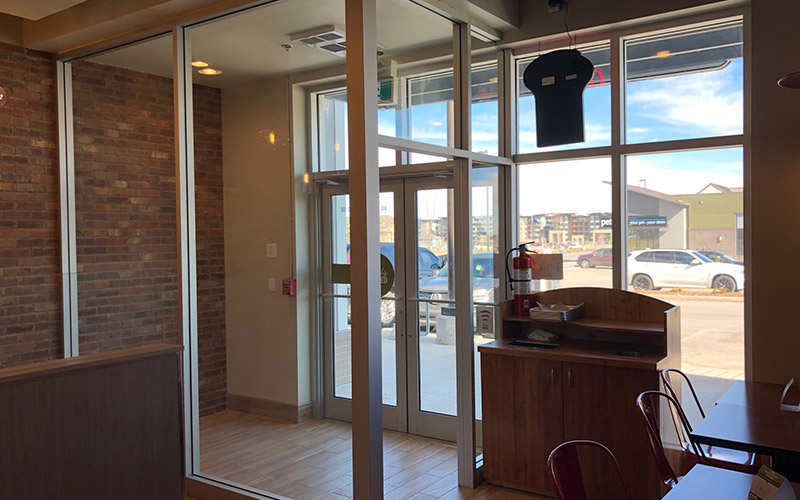
Lighting can completely change how a space feels, especially when glass plays a central role. Glass adds depth, openness, and reflection, but without thoughtful lighting, it can appear flat or overly harsh. Planning how light interacts with glass surfaces makes the difference between a simple installation and one that feels intentionally designed. The goal is balance: enhancing clarity, depth, and comfort without glare or distraction.
Understanding How Light Behaves Around Glass
Every glass surface reflects, transmits, and refracts light differently. When we plan lighting, we think about how each of these qualities will affect the space. Clear glass reflects more sharply, while frosted glass diffuses light softly, reducing shadows. The placement of fixtures, color temperature, and intensity all influence how the glass looks and how the room feels.
Natural light also plays a role. Sunlight changes throughout the day, and the way it hits a glass wall, shower, or divider changes the color and brightness of the room. If artificial lighting doesn’t balance that variation, the glass might create glare in the morning or dullness at night.
Layering Light to Create Dimension
A single overhead light is never enough when glass is part of the design. Layering light helps control reflections and brings out texture and shape. We usually think in three layers: ambient, task, and accent lighting.
Ambient lighting provides general brightness. It sets the overall tone of the room and ensures that reflections from glass surfaces are gentle, not glaring. Recessed ceiling fixtures or diffused LED panels often work well for this layer.
Task lighting adds focus to specific areas, like a vanity mirror or countertop. The trick is to position these lights so that they do not bounce directly off the glass, which can create harsh reflections or distortions. Angling the lights slightly downward usually solves this problem.
Accent lighting brings attention to detail. When glass is part of the room’s architecture—such as in a shower enclosure or staircase railing—accent lights can highlight the craftsmanship and contours. Placing small LED strips along edges or behind frames gives a floating effect that feels modern yet soft.
For example, when designing a Calgary custom shower, edge lighting can emphasize the transparency and precision of the glass, making the enclosure glow without overpowering the rest of the bathroom.
Managing Reflections and Glare
Too much reflection can make a space feel cold or confusing. When every surface shines, the eye has nowhere to rest. To control this, the lighting design must consider both placement and material finish.
Reflections become intense when light hits glass at a direct angle. Adjusting fixtures just a few degrees off-axis often eliminates glare. Using frosted or textured glass in areas with strong artificial light also softens the effect.
Color temperature affects reflections too. Cooler lights (5000K and above) tend to highlight imperfections and make glass appear more sterile. Warmer tones (2700K to 3500K) create a more natural, inviting glow. Mixing both can work if done thoughtfully—cooler light for clarity and warmer light for comfort.
Integrating Natural Light with Artificial Sources
The most successful glass lighting designs consider how daylight and artificial light interact. Morning and afternoon sunlight have different tones, and each reacts differently on transparent and reflective surfaces.
If a room receives strong sunlight during part of the day, dimmable fixtures can help maintain consistency. At night, accent lights or wall washes can recreate the soft diffusion of natural light, preventing the space from feeling too stark.
Mirrors and glass panels can also redirect sunlight deeper into the room. Positioning reflective glass opposite a window can make a small bathroom appear brighter and larger without adding fixtures. However, it’s important to test the angles first—too much reflection can create hot spots or glare.
Choosing Fixtures That Complement Glass
Fixtures near glass should enhance rather than compete with it. Minimalist designs with clean lines work well because they don’t clutter reflections. LED strips, recessed trims, and concealed tracks allow the light to appear as though it originates from the glass itself.
In showers, waterproof LED profiles can be hidden inside the glass frame or ceiling recesses to produce a calm, even glow. Under-cabinet or under-shelf lighting also helps glass surfaces look more defined, especially when paired with darker materials like wood or stone.
Metal finishes on fixtures should be chosen carefully. Chrome and polished nickel amplify reflections, while matte black or brushed brass absorb light, providing contrast without distraction. Matching fixture temperature and placement with the type of glass (clear, tinted, or frosted) keeps the design unified.
Lighting Strategies for Different Glass Applications
Every glass installation needs a tailored approach because its function determines how light should behave.
Showers and Wet Areas
Glass showers need balanced brightness for safety and comfort. Overhead recessed lighting combined with indirect wall lighting prevents shadows while keeping glare minimal. Warm light temperature gives skin tones a natural appearance, which matters in spaces used daily.
Adding LED strips along the shower niche or base of the enclosure adds subtle elegance and prevents dark corners. Waterproof lighting near the floor also enhances visibility without feeling clinical.
Mirrors and Vanities
Lighting near mirrors should mimic daylight as closely as possible. Vertical fixtures on both sides of the mirror eliminate shadows on the face, while diffused light prevents glare on the glass. Avoid overhead lights alone—they create uneven lighting that highlights only the top of the face.
Glass Walls and Partitions
Glass partitions divide space while keeping it open. To make them stand out, use linear fixtures or soft wall washes that emphasize the structure. If the glass is textured, backlighting can enhance patterns and depth.
If privacy is important, pairing frosted or etched glass with warm side lighting maintains separation without closing the space visually.
Glass Railings and Staircases
For staircases with glass balustrades, integrated LED handrails or under-step lighting create both safety and style. The light should be bright enough to guide but soft enough to avoid reflections on the glass. Placing the source below eye level minimizes glare and helps the glass appear clear and floating.
Using Shadows to Add Depth
While we often focus on brightness, shadows matter just as much. Controlled shadowing around glass adds contrast, making the material look alive rather than flat. Positioning accent lights to skim across frosted glass or patterned panels reveals texture that might otherwise go unnoticed.
A simple trick is to light one side of a glass wall and leave the other side slightly darker. This difference creates dimensionality and prevents the glass from disappearing into the background.
Energy Efficiency and Maintenance
Glass magnifies light, so efficient planning can reduce energy consumption. LEDs are ideal because they produce minimal heat and last longer than traditional bulbs. Dimmable systems also extend bulb life while giving flexibility for mood control.
Maintenance matters too. Glass near light sources attracts dust and fingerprints, which show up clearly when lit. Designing with accessible fixtures and removable covers simplifies cleaning. Regularly wiping both the light diffusers and glass panels keeps the look crisp.
When choosing lighting control systems, it helps to separate circuits for ambient, task, and accent lights. This allows specific adjustments for time of day or activity without wasting energy.
Bringing It All Together
Every lighting decision should serve the space’s purpose first. When glass plays a major role, lighting becomes more about interaction than illumination. We want light to complement transparency, not compete with it. Whether it’s a bathroom, hallway, or living area, the combination of clear surfaces and layered light creates a balance that feels both modern and timeless.
The best results come from planning early. Installing lights after glass is in place limits options. Coordinating fixture placement, glass type, and reflection angles during design ensures every detail works together.
If you are planning a renovation or designing a space that includes glass elements, thoughtful preparation saves effort later. You can always contact us to discuss layout ideas, fixture placement, or how to achieve a lighting balance that highlights your installation naturally.
Frequently Asked Questions
How can I reduce glare from glass surfaces?
Use indirect or diffused lighting instead of direct spotlights. Angling fixtures slightly away from the glass prevents harsh reflections and keeps the space comfortable.
What color temperature works best with clear glass?
Warm white light between 2700K and 3500K provides a natural look. Cooler tones can appear sterile unless balanced with warmer accent lights.
Should I install lighting before or after the glass?
It’s best to plan and install lighting before the glass goes in. This allows for hidden wiring and fixture placement that complements the glass structure.
How do I make frosted glass stand out?
Use side lighting or backlighting to highlight the texture. The diffused surface will glow softly without creating bright spots or glare.
Can I use LED strips in wet areas?
Yes, but only if the strips are rated for wet or damp locations. Look for waterproof fixtures with proper sealing to ensure safety and longevity.