
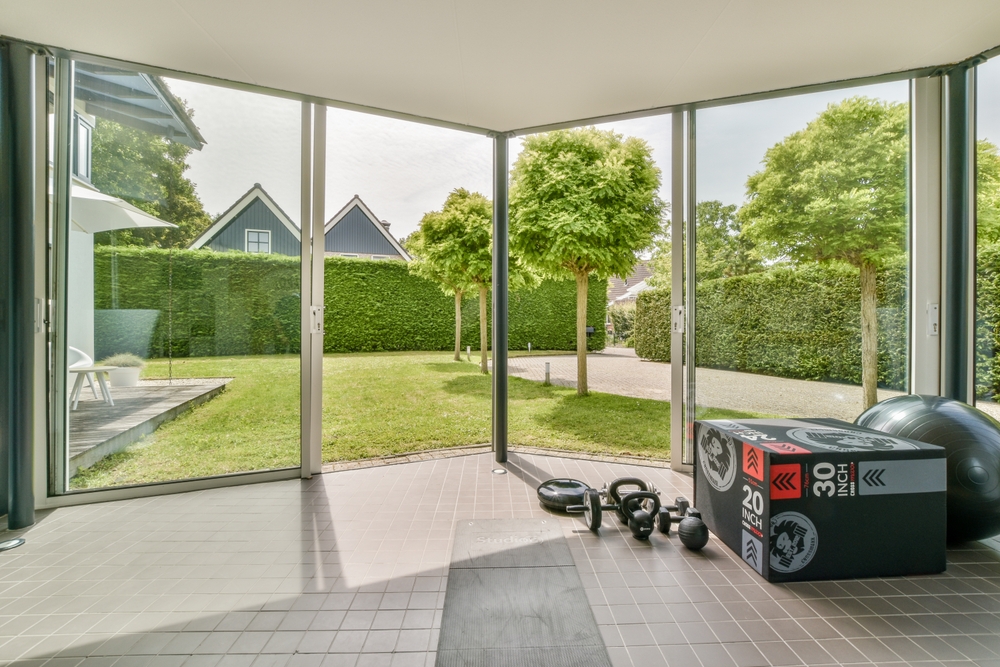
Glass Pro Install often gets asked whether a home gym glass wall can really handle noise, sweat, and heavy equipment in a Calgary basement. The short answer is yes, when the design fits the room and the use. A glass partition can keep the space bright, let you watch kids or a screen, and still separate the weights from the rest of the house. This guide covers the problems people hit most often and the practical fixes.
Why a Home Gym Glass Wall Works So Well
Most basement gyms sit at the back of the house, with little daylight. A solid drywall partition makes that worse, because it blocks the few windows and lights you have. Glass lets light travel through the whole lower level, so the gym feels like part of the home instead of a storage room.
Glass also gives you a clear line of sight. Parents can supervise children from the next room. You can check your form in the reflection without bolting a separate mirror to every surface. For people who train alone, an open view also feels safer than a closed box.
Our glass wall options for homes and offices include framed and frameless partitions, with sliding or swinging doors. The right choice depends on how the room is used, not just how it looks.
The Main Problems With Gym Partitions
Every gym has a few predictable challenges. Plan for them early and the finished wall will last for years. The table below links each common issue to its likely cause and a typical fix.
| Problem | Likely cause | Practical fix |
|---|---|---|
| Rattling panels | Loose hardware or vibration from dropped weights | Rubber isolation pads and a properly anchored frame |
| Noise leaking out | Gaps at the door and floor | Door seals and a tight perimeter |
| Foggy or streaky glass | Sweat, humidity, and body oils | Ventilation and a regular cleaning routine |
| Chipped edges | Barbells or kettlebells hitting the glass | Set-back zones and polished edges |
| Reflected glare | Overhead lights or a bright window | Dimmable lighting and careful panel placement |
Most of these problems come from layout, not from the glass itself. A short site assessment catches them before anything is cut.
Choosing a Home Gym Glass Wall for Impact and Noise
Glass in a gym must be safety glass. Tempered glass is the usual choice because it is much stronger than ordinary annealed glass and breaks into small pieces if it fails. Our article on why tempered glass matters for shower safety explains the basics, and the same principles apply in a gym.
Thickness matters too. Larger, taller panels generally call for thicker glass, and panels near free weights deserve extra attention. Your installer should confirm the right specification for the span and the use. Laminated glass is another option when you want extra sound control or added security.
Noise is the question we hear most. Glass reflects sound rather than absorbing it, so a bare glass room can feel echoey. Rubber flooring, wall-mounted panels, and soft furnishings fix this quickly. A sealed door matters more than the glass thickness for keeping music inside.
Plan the Layout Before You Plan the Glass
Start with how you train. A free-weight area needs clear swing room around the bar. A cardio corner needs space for airflow and a view of a screen. A yoga zone needs a calm sightline and soft light.
Next, think about the door. Sliding doors save floor space in tight basements. Swinging doors give a better seal against noise. Heavy double doors suit large equipment moves, such as bringing in a power rack.
Finally, consider the rest of the house. Check where ducts, bulkheads, and posts sit, because they shape the panel layout. Alberta homes often have uneven concrete floors, so the installer should measure the real opening instead of trusting plans.
Mirrors and Glass Together
Many gym owners want a mirrored wall as well. You can place a custom mirror on one wall and keep the partition clear. Our custom mirror work in Calgary covers sizes and edge finishes that suit training spaces.
Lighting Around the Glass
Lights behind you create a glare on the glass at night. Place fixtures on the ceiling in front of the panels rather than directly behind your workout area. Warm-white dimmable lights are easier on the eyes in a glass room.
Questions to Ask Before You Order a Home Gym Glass Wall
A good plan starts with a few direct questions. Ask your installer how the panels attach to the floor and ceiling, and what happens if your slab is not level. Ask what glass type they recommend near heavy equipment, and why. A clear answer shows they have thought about your room, not a generic one.
Ask about the door hardware as well. Gym doors open and close often, sometimes with wet hands, so the handles need a firm grip and sturdy hinges. Also ask how the glass edges are finished, because polished edges resist chipping better than rough ones.
Finally, confirm the schedule. A home gym glass wall is made to measure, so the glass is cut after the opening is surveyed. That means the survey must be accurate and the framing must be finished before measuring. Rushing this step is the most common cause of delays.
A Quick Pre-Install Checklist
- Clear the area so the installer can measure walls, floor, and ceiling.
- Finish flooring, or tell the installer what thickness will be added.
- Mark the door swing and any equipment paths.
- Confirm that lighting and power outlets will not clash with the panels.
Care and Cleaning in a Sweaty Room
A gym wall gets more fingerprints and splashes than a living room partition. The fix is a simple routine. Wipe the panels with a soft cloth and a non-abrasive glass cleaner. Avoid harsh powders, because scratches show clearly in raking light.
Keep these habits in mind:
- Wipe visible sweat marks the same day.
- Dry the bottom seal and track once a week.
- Clean door hardware, because salty sweat can dull metal finishes.
- Run a fan or a dehumidifier during heavy sessions.
Glass rarely fails because of cleaning. It fails because of unchecked impact or poor installation. If you notice a chip on an edge, stop using that panel area and have it assessed.
When to Call a Professional
Some jobs suit careful DIY, but a floor-to-ceiling glass wall is not one of them. The panels are heavy, the tolerances are tight, and the fixings must reach solid structure. A poor install can leave you with gaps, leaning panels, or a door that never closes properly.
Building rules also apply. Calgary and Alberta follow the Safety Codes system, and the Alberta building codes and standards page is a good starting point for what applies to your renovation. Check whether your basement project needs a permit before work begins.
Frequently Asked Questions
Will a glass wall make my gym too loud?
Not by itself. Glass reflects sound, so add rubber flooring and soft surfaces to cut the echo. A sealed door does the most to keep noise from reaching the rest of the house.
Can a barbell break a tempered glass wall?
A direct hit on an edge can chip or break tempered glass, so keep equipment away from the panels. Plan a clear zone around the wall and ask your installer about edge finishes.
Do I need a frame around the glass?
Not always. Frameless panels look cleaner, while framed systems can be more forgiving in uneven openings. We recommend the style after measuring your room.
How do I stop the glass from fogging?
Ventilation is the key. Run an exhaust fan or a dehumidifier, and keep the room at a steady temperature.
Can the wall include a door?
Yes. Sliding and swinging glass doors are both common, and the hardware is chosen to match the door weight.
Plan Your Gym Glass Wall With Glass Pro Install
If you are weighing a glass partition for your basement or garage gym, we can talk through the layout, the glass type, and the door style. An honest quote follows an assessment of your space.
- Phone: (403) 899-8272
- Email: info@glassproinstall.ca
- Location: Calgary, AB T2H 2H9
- Hours: Monday to Friday, 8am to 6pm
- Contact page