
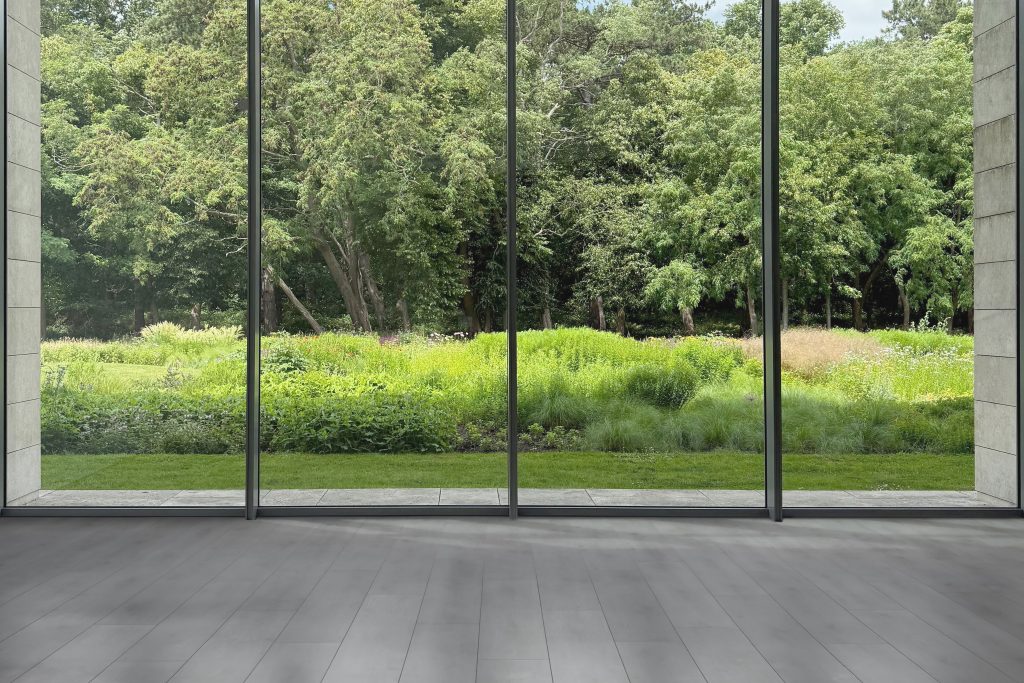
Natural light with glass dividers is one of the main reasons homeowners choose modern interior glass solutions. At Glass Pro Install, we see how the right design can completely change how light moves through a space. Instead of blocking brightness, glass dividers allow it to flow, which improves both comfort and style.
Many people worry that adding dividers will darken a room. However, glass works differently from solid walls. It keeps separation while still letting daylight travel freely. As a result, rooms feel open, bright, and connected.
How Glass Dividers Affect Natural Light Flow
Natural light with glass dividers behaves very differently compared to traditional walls. Solid materials stop light completely, which creates shadows and darker zones. Glass, on the other hand, allows light to pass through almost without interruption.
When we install glass partitions, we often notice that light spreads deeper into the home. For example, sunlight from a window in one room can reach areas that were previously dim. This effect improves visibility and reduces the need for artificial lighting during the day.
Clear glass provides the highest level of brightness. Frosted or textured glass still allows light through, but it softens the intensity. Therefore, you can control privacy without sacrificing illumination.
Open Feel Without Removing Structure
Many homeowners want open-concept spaces, but they still need defined areas. Natural light with glass dividers offers the best balance between openness and structure.
Glass creates boundaries without visual heaviness. As a result, rooms feel larger than they actually are. Even small spaces benefit from this effect. Instead of feeling closed in, they appear airy and spacious.
For example, installing a divider between a kitchen and living room keeps each area functional. At the same time, light flows between them without restriction. This design works especially well in modern homes where brightness is a priority.
Best Areas to Use Glass for Light Optimization
Certain parts of a home benefit more from natural light with glass dividers. Choosing the right placement makes a noticeable difference.
Living areas often gain the most improvement. Large windows already bring in daylight, so glass partitions help distribute it further. Bedrooms can also benefit, especially when combined with frosted glass for privacy.
Hallways are another great example. These spaces usually lack direct sunlight. However, glass walls or doors allow nearby rooms to share their light. This simple change can transform a dark hallway into a bright passage.
You can also enhance brightness by combining partitions with custom mirror installations. Mirrors reflect light and help it travel deeper into the space.
Glass Doors vs Solid Doors for Light
Doors play a big role in how light moves inside a home. Traditional doors block light when closed. In contrast, glass doors maintain brightness even when they separate rooms.
For example, french doors are a popular choice. They allow light to pass through while still providing a clear boundary. This option works well for offices, dining rooms, or patios.
Sliding glass doors also help maximize daylight. They take up less space and allow wide openings. As a result, sunlight spreads more evenly across connected areas.
Choosing glass over solid materials ensures that natural light with glass dividers continues throughout the entire layout.
Impact on Mood and Energy Efficiency
Light does more than improve visibility. It also affects how people feel inside a space. Natural light with glass dividers helps create a brighter environment, which can boost mood and productivity.
Homes with better daylight often feel warmer and more inviting. In addition, increased sunlight reduces the need for artificial lighting. This leads to lower energy use over time.
Glass installations also support better temperature balance. Sunlight warms rooms naturally during colder months. At the same time, modern glass options can control heat during summer.
You can explore stylish solutions like glass wine rooms to maintain openness while adding a unique design feature.
Design Choices That Influence Light Transmission
Not all glass behaves the same. The amount of light that passes through depends on several factors.
Clear glass offers the highest transparency. It allows almost full light transmission. Frosted glass reduces glare while still maintaining brightness. Tinted glass can slightly darken the space but adds style and privacy.
Frame design also matters. Minimal frames allow more light to pass through. Heavy frames can create small shadows, but they still perform better than solid walls.
When planning your layout, consider how each element interacts with light. Proper placement ensures that natural light with glass dividers reaches every corner effectively.
Combining Glass Walls with Modern Layouts
Modern homes often use glass walls to maximize space and brightness. These installations create a seamless connection between rooms.
For example, glass wall systems work well in offices and living areas. They maintain separation while keeping everything visually connected. This design supports both functionality and aesthetics.
Glass walls also improve the overall flow of a home. Instead of stopping at each room, light continues across the entire layout. This creates a consistent and balanced atmosphere.
If you want to explore full-service options, you can review available solutions directly through professional glass installation services. At Glass Pro Install, we focus on solutions that enhance both design and performance.
Common Misconceptions About Glass Dividers
Some homeowners believe glass dividers reduce privacy or create glare issues. In reality, modern designs address both concerns effectively.
Frosted and textured options provide privacy while still allowing light through. Strategic placement also helps control visibility between spaces.
Glare can be managed with coatings or slight tinting. As a result, you get the benefits of natural light without discomfort.
Another misconception is that glass is fragile. Today’s materials are strong and built for daily use. Proper installation ensures durability and safety in every environment.
Conclusion
Natural light with glass dividers improves how a home looks and feels. Instead of blocking brightness, glass spreads it across every room. This creates a more open, comfortable, and energy-efficient space.
With the right design choices, you can maintain privacy while maximizing daylight. From doors to walls, each element plays a role in how light moves.
Glass Pro Install delivers solutions that combine function and style. Whether you want subtle separation or a full redesign, glass dividers offer a smart and modern approach.
FAQs
Do glass dividers really increase natural light in a home?
Yes, glass allows light to pass through instead of blocking it. This helps distribute daylight across multiple rooms and reduces dark areas.
What type of glass is best for maintaining brightness?
Clear glass provides the highest light transmission. Frosted glass still allows light through but softens visibility for added privacy.
Can glass dividers replace walls completely?
They can replace many interior walls. However, structural walls must remain. Glass works best for non-load-bearing partitions.
Do glass doors help with light compared to regular doors?
Yes, glass doors allow light to pass even when closed. This keeps rooms bright while still providing separation.
Are glass dividers energy efficient?
They can improve efficiency by reducing the need for artificial lighting. Modern glass options also help control heat and insulation.