
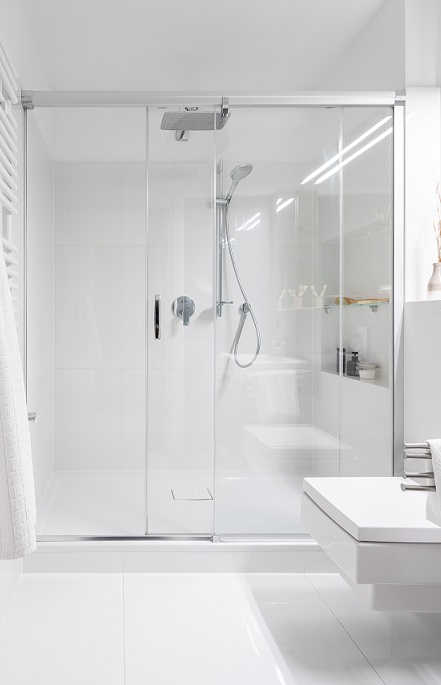
Installing a custom shower in Calgary is more than picking a door style and type of glass. One key detail people often overlook is the direction the door swings. While it might seem like a small thing, it plays a major role in how safe and functional the shower ends up being. Mistakes with this choice can lead to bumps, slips, and even blocked exits during emergencies. Understanding how swing direction affects real use helps us plan smarter and avoid future risks.
Positioning the Swing for Everyday Use
Every bathroom layout is different, and that’s why we never assume a one-size-fits-all solution. The swing direction should match how someone naturally enters and exits the shower. For example, a door that opens toward a vanity or toilet creates crowding. If it blocks movement or requires squeezing around obstacles, it increases the chance of slipping when stepping out wet.
Moreover, a poorly placed swing also makes towel placement awkward. Instead of reaching over or twisting around furniture, the door should allow easy movement toward a nearby towel hook or heated rack. With a custom shower in Calgary, we always look at how much space is available and which direction gives the user the most freedom to move without collisions or risky turns.
Emergency Egress Is a Critical Factor
Sometimes, showers are designed for tight enclosures where access is limited. In those cases, it becomes essential to ensure the swing allows someone to exit fast if needed. Imagine slipping and hitting the inside wall of the enclosure. If the door only opens inward, getting out becomes almost impossible while injured.
Therefore, most codes now suggest or require at least partial outward swing. This allows fast exit without fighting against the door in a narrow space. While a full inward swing might look clean or save room, it poses clear safety problems. We’ve seen homes where outward swing was the only safe option due to medical concerns or age-related mobility issues.
Avoiding Collisions with Fixtures
Too many designs focus only on aesthetics and forget the details. A shower door that swings into the path of a cabinet drawer or hits the sink every time it opens will quickly become a hazard. Even worse, it can loosen hardware or crack tiles over time. We avoid that by reviewing all possible interference points during the planning stage.
During installations for a custom shower in Calgary, we look closely at what’s around the door. That includes checking for toilet paper holders, towel bars, and anything else that might block a clean arc. If there’s not enough clearance for a swing-out style, we’ll suggest a pivot hinge or sliding option instead.
For homeowners thinking about a remodel, the advice is simple: do a dry run. Take a cardboard cutout the size of the door and swing it both ways. This gives a fast sense of what will work and what will constantly get in the way.
Building Code Considerations
Local building codes influence the final design more than people expect. In most areas, doors on enclosed showers must swing out or at least be capable of swinging outward. This isn’t just a suggestion — it’s usually a safety requirement to protect people from being trapped in a small wet space.
Also, codes require minimum clearance between open doors and other fixtures. For instance, a door can’t open into the only pathway out of the bathroom. It can’t block entry or exit if someone falls inside. These rules exist because even well-built showers can become dangerous when wet floors, soap, and hard surfaces come together.
When planning a new glass shower enclosure, it helps to work with someone who knows how to spot these code issues early. That way, we avoid future headaches or rework during inspection.
Planning Around Water Control
Designing for splash control is another reason swing direction matters. Some people assume they can just angle the showerhead or add a high curb. However, if the door swings in a way that allows water to drip outside after use, the floor becomes slick and unsafe.
For example, a door that opens directly toward the bathroom floor without a small inward slope leads to puddles. The hinges also take a hit when exposed to repeated moisture on the wrong side. We plan the swing to contain water and help it drain naturally inside the enclosure.
It’s also smart to match the door swing with how the user prefers to reach for the valve. If someone can open the door slightly, reach in, and turn on the water without stepping into a cold stream, the experience becomes more pleasant. These small planning choices make everyday use feel smoother.
Working with Tight Bathroom Layouts
Compact bathrooms come with tradeoffs, and choosing the wrong door swing can make things feel even smaller. A narrow entrance area may not allow enough space for a full swing-out door. Meanwhile, a swing-in door might bang against built-in storage.
We solve this by checking the radius of the swing against all nearby surfaces. A pivot hinge can help because it splits the swing space between inside and outside. This reduces the arc and gives flexibility in tighter spaces. Sometimes, a corner entry with double doors gives the same functionality without the clearance problems of one wide panel.
That’s why when starting any custom shower design in Calgary, our first step is to map the dimensions. We do more than just measure — we simulate how the door moves, how the person turns, and how often the door needs to be opened fully. That shapes better decisions.
Combining Swing with Other Safety Features
Choosing the right door swing works best when paired with other safety elements. For example, if a door opens toward a mat or rug, we make sure the flooring has grip. If it opens next to a heater vent, we check whether the door will fog up and limit visibility during use.
A strong handle with secure mounting also helps guide the door smoothly. Wobbly or weak handles can cause uneven pressure, leading to cracked glass or stress at the hinges. We also consider handles placed high enough so kids don’t swing or hang on them — another safety detail often missed.
We encourage homeowners to look at each part as connected. The door swing, floor slope, handle height, and even lighting should work together for safe daily use. That approach helps avoid problems later and ensures the whole setup feels balanced.
When Custom Swing Solutions Are Needed
In some homes, no standard swing direction works perfectly. That’s when we explore alternative layouts. A custom offset hinge, for example, might allow the door to open at a shallower angle. A split pivot might provide a narrow doorway with a wide entrance feel.
This level of flexibility is why a custom shower in Calgary makes sense over boxed kits. Every shower fits the space it’s in — not just in size, but also in how the door works with the room’s natural flow. We’ve added solutions like angled glass panels or hybrid fixed-and-swing doors for homes where mobility needs change over time.
In those cases, even something as small as reversing the hinge side makes a real difference. The goal isn’t to impress with a slick setup. It’s to make the shower easy to enter, comfortable to use, and safe to exit.
Final Check: How to Test the Swing Before It’s Too Late
Once the door is installed, it becomes expensive and difficult to adjust the swing. So the best time to catch problems is during layout planning or just before drilling hardware. We always recommend taping a mock handle onto the wall and walking through the steps someone would take during a shower.
We use a checklist that includes body clearance, towel access, water splash risk, and exit direction. For families with small children or older parents, we add extra items like assist bars or seats to test fit with the swing path.
Those final checks ensure the project feels finished not just in appearance, but also in comfort and function. Before moving forward, you can contact us for shower planning help to go over any doubts about your layout or hardware.
FAQ
What direction should my shower door swing for best safety?
Outward is the safest swing direction because it allows quick exit in case of a fall. It also meets most code requirements.
Can a shower door swing both in and out?
Yes, some hinges allow dual-swing, called pivot hinges. These are useful in tight layouts but still need space on both sides.
What happens if my door hits the toilet or vanity?
It can cause damage over time and create safety issues. We always plan the swing direction to avoid fixture contact.
Does building code require a specific swing direction?
In most areas, the code requires outward swing or dual swing for enclosed showers. This is to ensure emergency access.
Can I change the swing direction later?
Only with a full hinge relocation, which may require drilling new holes. It’s best to plan the correct direction during the build.